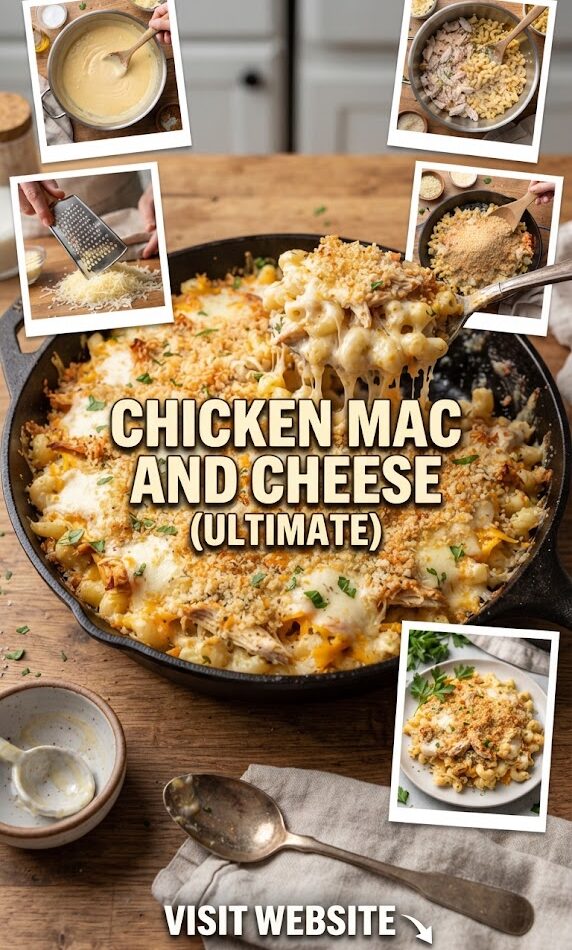
There is a universal language spoken in the flickering light of a warm kitchen, a language of bubbling cheese, golden-brown crusts, and the savory aroma of seasoned poultry. It is the language of Chicken Mac and Cheese. While traditional macaroni and cheese has long held its throne as the king of comfort foods, the addition of succulent, well-seasoned chicken elevates this humble dish into a high-protein, gourmet masterpiece that satisfies the soul and the appetite in equal measure.
In this comprehensive guide, we are going to dive deep into the world of the ultimate Chicken Mac and Cheese. We aren’t just talking about a box of noodles and some canned meat. We are exploring the science of the roux, the art of cheese selection, the nuances of pasta shapes, and the techniques required to ensure your chicken remains juicy while your sauce stays velvety smooth. Whether you are cooking for a weeknight family dinner or looking to impress guests at a potluck, this is your definitive roadmap to success.
Why Chicken Mac and Cheese is the King of Comfort Foods
Comfort food is defined by its ability to provide a nostalgic or sentimental value, often characterized by a high carbohydrate and fat content that triggers the brain’s reward system. Mac and cheese hits all those notes. However, adding chicken introduces a layer of complexity and satisfaction that the original version sometimes lacks.
- Textural Contrast: You have the soft, chewy pasta, the liquid gold of the cheese sauce, and the firm, meaty bite of the chicken.
- Flavor Depth: Chicken acts as a canvas. Whether it’s smoked, grilled, or roasted, it brings umami and savory notes that cut through the richness of the dairy.
- A Complete Meal: Traditional mac and cheese is often seen as a side dish. By adding protein, you transform it into a standalone main course that keeps you full for hours.
The Foundation: Choosing Your Pasta
The pasta is the skeleton of your dish. If the skeleton is weak, the whole structure collapses. While “macaroni” is in the name, you aren’t limited to elbows. In fact, many professional chefs prefer shapes that have more surface area to “trap” the sauce.
Top Pasta Picks for Chicken Mac and Cheese:
- Cavatappi: These corkscrew-shaped noodles are perhaps the best for this dish. Their ridges and hollow centers are designed to hold onto thick cheese sauces.
- Large Elbows: A classic choice. Look for “ridged” versions for better sauce adhesion.
- Shells (Conchiglie): These act like little scoops, ensuring every bite is a burst of cheese and chicken.
- Radiatori: Designed to resemble old-fashioned radiators, these have an incredible amount of surface area, making them perfect for a heavy, chunky sauce.
- Penne Rigate: The ridges (rigate) help the sauce cling to the exterior, though they lack the “trapping” ability of shells or cavatappi.
Pro Tip: Always cook your pasta in heavily salted water (it should taste like the sea). To prevent a mushy mess after baking, cook the pasta for 2 minutes less than the package instructions for “al dente.” The pasta will finish cooking in the oven as it absorbs the moisture from the sauce.
The Secret to the Perfect Cheese Sauce: The Science of the Roux
The difference between a “good” mac and cheese and a “life-changing” one lies in the sauce. Specifically, a Mornay sauce. This starts with a Béchamel—one of the five French mother sauces—and is then enriched with cheese.
Understanding the Roux
A roux is a mixture of equal parts fat (butter) and flour.
- The Fat: Always use high-quality unsalted butter. It provides the richness and the medium for the flour to cook.
- The Flour: All-purpose flour is the standard. You need to cook the roux for at least 2 minutes to get rid of the “raw flour” taste, but don’t let it brown; we want a “white roux” for this recipe.
- The Liquid: Whole milk is non-negotiable. For an even more decadent experience, use half-and-half or add a splash of heavy cream.
Emulsification and Temperature
To avoid lumps, whisk in your milk slowly. Start with a few tablespoons, whisking until a paste forms, then gradually add the rest. The milk should ideally be room temperature or slightly warm to prevent the butter in the roux from seizing.
The Cheese: A Symphony of Flavors
If the sauce is the soul, the cheese is the heart. Never, under any circumstances, use pre-shredded cheese from a bag. Those products are coated in potato starch or cellulose to prevent clumping in the bag, which will result in a grainy, sandy texture in your sauce.
The Ultimate Blend
For the ultimate Chicken Mac and Cheese, you want a blend that offers both meltability and sharpness.
- Sharp Cheddar (Aged): This provides the classic “mac” flavor and a necessary bite.
- Gruyère: This Swiss-style cheese melts beautifully and adds a sophisticated, nutty undertone.
- Fontina or Monterey Jack: These are the “glue” cheeses. They have high moisture content and ensure that iconic cheese pull.
- Smoked Gouda: If you want to add a “BBQ” or “wood-fired” vibe to your chicken mac, a touch of smoked gouda goes a long way.
- Parmesan: Use this primarily for the topping. It adds a salty, umami crunch when baked.
Preparing the Chicken: Three Ways to Greatness
The chicken shouldn’t be an afterthought. It needs to be seasoned and cooked properly before it ever meets the pasta.
1. The Rotisserie Shortcut
If you’re short on time, a store-bought rotisserie chicken is your best friend. Shred the meat while it’s still warm. The mix of dark and white meat provides a variety of textures and a boost of savory fat.
2. Pan-Seared Garlic Butter Chicken
For maximum flavor, dice raw chicken breast or thighs into bite-sized pieces. Season with salt, pepper, paprika, and garlic powder. Sear them in a hot skillet with butter until golden brown. This creates a “crust” on the chicken that stands up well to the heavy sauce.
3. Smoked or Grilled Chicken
If you have a smoker or a grill, use it. The smoky flavor of the meat provides a brilliant contrast to the creamy, rich cheese sauce. It transforms the dish into something that tastes like a summer cookout in every bite.
The Master Recipe: Ultimate Chicken Mac and Cheese
This recipe yields a massive, family-sized portion that is designed to be the star of the show.
Ingredients
The Pasta & Chicken:
- 1 lb Cavatappi or Large Elbow pasta
- 3 cups cooked chicken (shredded or cubed)
- 1 tbsp olive oil (for the chicken)
- 1 tsp smoked paprika
- 1 tsp garlic powder
The Cheese Sauce:
- 1/2 cup unsalted butter
- 1/2 cup all-purpose flour
- 4 cups whole milk (room temperature)
- 1 cup heavy cream
- 4 cups Sharp White Cheddar (freshly grated)
- 2 cups Gruyère (freshly grated)
- 1 cup Monterey Jack (freshly grated)
- 1 tsp Dijon mustard (the secret ingredient for tang)
- 1/2 tsp nutmeg (essential for a professional Béchamel)
- Salt and black pepper to taste
The Crunchy Topping:
- 1 cup Panko breadcrumbs
- 1/4 cup melted butter
- 1/2 cup grated Parmesan cheese
- 1 tbsp fresh parsley, chopped
Step-by-Step Instructions
Step 1: Prep and Boil
Preheat your oven to 375°F (190°C). Grease a large 9×13 inch baking dish with butter. Bring a large pot of heavily salted water to a boil. Add your pasta and cook for roughly 2 minutes less than the al dente instructions. Drain and set aside, tossing with a tiny bit of oil to prevent sticking.
Step 2: Season the Chicken
If you aren’t using rotisserie chicken, sauté your seasoned chicken pieces in a skillet over medium-high heat until fully cooked. Set aside.
Step 3: Create the Roux
In a large pot or Dutch oven, melt the 1/2 cup of butter over medium heat. Once bubbling, whisk in the flour. Cook for 2-3 minutes, whisking constantly. You want it to look like wet sand and smell slightly nutty.
Step 4: Build the Sauce
Slowly pour in the milk and heavy cream, whisking vigorously. Continue to cook over medium heat, whisking often, until the sauce thickens enough to coat the back of a spoon. This usually takes 5-7 minutes. Once thickened, turn the heat to low.
Step 5: The Cheese Melt
Stir in the Dijon mustard, nutmeg, salt, and pepper. Add about 5 cups of your total cheese mixture (save some for the top!) one handful at a time. Stir gently until the cheese is completely melted and the sauce is glossy and smooth.
Step 6: Combine
Add the cooked pasta and the chicken into the cheese sauce. Fold gently until every single noodle and piece of chicken is heavily cloaked in cheese.
Step 7: Assemble and Bake
Pour the mixture into your prepared baking dish. Sprinkle the remaining cheese over the top. In a small bowl, mix the Panko, melted butter, Parmesan, and parsley. Sprinkle this evenly over the cheese layer.
Bake for 20-25 minutes, or until the sauce is bubbling at the edges and the top is a deep, golden brown. For an extra-crispy top, broil for the last 2 minutes, watching closely so it doesn’t burn.
Step 8: The Rest
This is the hardest part: Let the mac and cheese rest for 10 minutes before serving. This allows the sauce to thicken slightly and set, ensuring you don’t end up with a soupy mess on your plate.
Gourmet Variations to Try
Once you’ve mastered the base recipe, the possibilities are endless. Here are a few ways to take your Chicken Mac and Cheese in different flavor directions.
Buffalo Chicken Mac and Cheese
Follow the master recipe, but toss your cooked chicken in 1/2 cup of Buffalo wing sauce before adding it to the mix. Substitute half of the Monterey Jack for Blue Cheese crumbles. Top with a drizzle of ranch and some chopped celery for crunch.
BBQ Chicken Mac and Cheese
Swap the smoked paprika for a BBQ rub on the chicken. Swirl 1/4 cup of your favorite sweet and smoky BBQ sauce into the cheese sauce before adding the pasta. Top with crispy fried onions instead of breadcrumbs.
Jalapeño Popper Chicken Mac
Add diced, deseeded jalapeños and 4 oz of softened cream cheese to the sauce. Add plenty of crispy bacon bits along with the chicken. This version is spicy, creamy, and incredibly addictive.
Pesto and Roasted Tomato Chicken Mac
For a Mediterranean twist, stir 3 tablespoons of basil pesto into the sauce. Add sun-dried tomatoes along with the chicken. Use Mozzarella and Provolone as your primary melting cheeses.
Troubleshooting Common Mac and Cheese Problems
Even the best cooks run into issues. Here is how to fix (or avoid) common pitfalls.
Why is my cheese sauce grainy?
Graininess usually happens for two reasons:
- Overheating: If the sauce gets too hot after the cheese is added, the proteins in the cheese can clump together and separate from the fats. Always add cheese over low heat or after removing the pot from the heat.
- Pre-shredded Cheese: As mentioned, the anti-clumping agents don’t melt. Always grate your own cheese.
Why is my mac and cheese dry?
Pasta is a sponge. It will continue to absorb moisture even while it’s in the oven. If your sauce isn’t “soupy” enough when you put it in the pan, it will be dry when it comes out. Always err on the side of having “too much” sauce before baking.
Why is the chicken tough?
Overcooking chicken is easy to do, especially when it’s being cooked twice (once in the pan and once in the oven). To avoid this, use chicken thighs, which have more fat and stay juicy, or ensure your breast meat is cut into larger chunks that won’t dry out as quickly.
Pro Tips for the Ultimate Experience
- The Mustard Secret: You won’t taste the mustard in the final dish, but the acidity in the Dijon cuts through the heavy fat of the cheese, making the flavor profile feel more “balanced.”
- Cold Milk vs. Hot Roux: A common culinary debate. Adding cold milk to a hot roux (slowly) actually helps prevent lumps because it allows the flour particles to separate before they swell.
- The Nutmeg Factor: A tiny pinch of nutmeg is the “je ne sais quoi” of white sauces. It enhances the creaminess and adds a subtle warmth that people will notice but won’t be able to identify.
- Pasta Water: Save a cup of the starchy pasta water. If your sauce becomes too thick before you add the pasta, a splash of this water can thin it out while helping it emulsify.
Storing and Reheating
Chicken Mac and Cheese is one of the few dishes that can taste even better the next day—if you reheat it correctly.
- Fridge: Store in an airtight container for up to 3-4 days.
- Freezer: You can freeze unbaked mac and cheese for up to 2 months. Thaw in the fridge overnight before baking as directed.
- Reheating: Never use the microwave if you can avoid it, as it tends to make the cheese oily and the chicken rubbery. Instead, place a portion in an oven-safe dish, add a splash of milk to loosen the sauce, cover with foil, and bake at 350°F until heated through.
The Nutritional Breakdown: Balancing the Indulgence
Let’s be honest: Chicken Mac and Cheese is not a salad. However, by making it at home, you are in control of the ingredients.
- Protein Boost: By using chicken, you are significantly increasing the protein content per serving compared to plain mac and cheese. This helps with satiety.
- Lower Fat Options: You can substitute whole milk with 2% milk, though you will lose some of that signature creaminess. You can also use a “sharp” cheese, which allows you to use less of it while still getting a big flavor hit.
- Adding Veggies: Want to make it a bit healthier? Fold in some steamed broccoli florets, peas, or sautéed spinach. The cheese sauce makes even the most stubborn vegetable eaters enjoy their greens.
The Cultural Evolution of Macaroni and Cheese
While we often think of Mac and Cheese as a quintessential American dish, its roots are deep and varied. The first recorded recipe for “de lasanis” (macaroni and cheese) was found in an Italian cookbook from the 14th century, Liber de Coquina.
In America, the dish was popularized by James Hemings, an enslaved chef for Thomas Jefferson. Hemings trained in France and brought back the technique for “macaroni pie,” which was served at state dinners. Over centuries, it evolved from an elite delicacy to a staple of the American diet.
The addition of chicken is a more modern evolution, likely stemming from the “casserole culture” of the mid-20th century, where home cooks sought to create one-pot meals that were both economical and filling. Today, it represents the pinnacle of “Elevated Comfort,” appearing on the menus of five-star restaurants and humble diners alike.
Frequently Asked Questions (FAQs)
Can I use a different type of flour?
For a roux, all-purpose flour is best. If you need a gluten-free option, use a 1:1 gluten-free flour blend. Avoid almond or coconut flour, as they do not have the starch required to thicken a sauce properly.
Is it better to bake it or eat it stovetop?
Stovetop mac and cheese is creamier and faster. Baked mac and cheese has that incredible textural contrast of the crunchy topping and the gooey interior. For the “Ultimate” version, baking is highly recommended.
What kind of chicken is best?
Chicken thighs are generally the best choice for baking because they are more forgiving and remain moist. However, if you prefer a leaner dish, chicken breast works perfectly well if you don’t overcook it during the initial sear.
Can I make this ahead of time?
Yes! You can assemble the entire dish (minus the breadcrumb topping), cover it tightly with plastic wrap, and refrigerate it for up to 24 hours. When you’re ready to eat, add the topping and bake. You may need to add an extra 10 minutes to the baking time since you’re starting from a cold dish.
What should I serve with Chicken Mac and Cheese?
Because the dish is very rich and heavy, it pairs best with something bright and acidic.
- A Simple Green Salad: With a lemon-shallot vinaigrette.
- Roasted Asparagus: The slight bitterness balances the cheese.
- Coleslaw: Especially if you are going with a BBQ or Buffalo variation.
- Garlic Bread: Because you can never have too many carbs!
Conclusion: The Ultimate Comfort Achievement
Mastering the Ultimate Chicken Mac and Cheese is a rite of passage for any home cook. It’s a dish that brings people together, offering warmth and satisfaction in every forkful. By understanding the importance of a proper roux, selecting a diverse blend of cheeses, and treating your chicken with the respect it deserves, you elevate a simple meal into a culinary event.
The beauty of this recipe lies in its versatility. It can be a blank canvas for your creativity or a reliable standby for a rainy Tuesday. No matter how you choose to customize it, the core principles of quality ingredients and proper technique will always lead you to a delicious result.
So, grab your cheese grater, put your pasta water on to boil, and get ready to create the creamiest, dreamiest, and most flavorful Chicken Mac and Cheese of your life. Your kitchen is about to become the most popular room in the house.
Ultimate Chicken Mac and Cheese, Creamy Chicken Macaroni, Best Cheese for Mac and Cheese, Homemade Mac and Cheese Recipe, Comfort Food Recipes, Baked Chicken Mac and Cheese, How to make a Roux, Mornay Sauce Guide, Chicken Pasta Recipes, Family Dinner Ideas, Cheesy Chicken Pasta, Gourmet Mac and Cheese.