
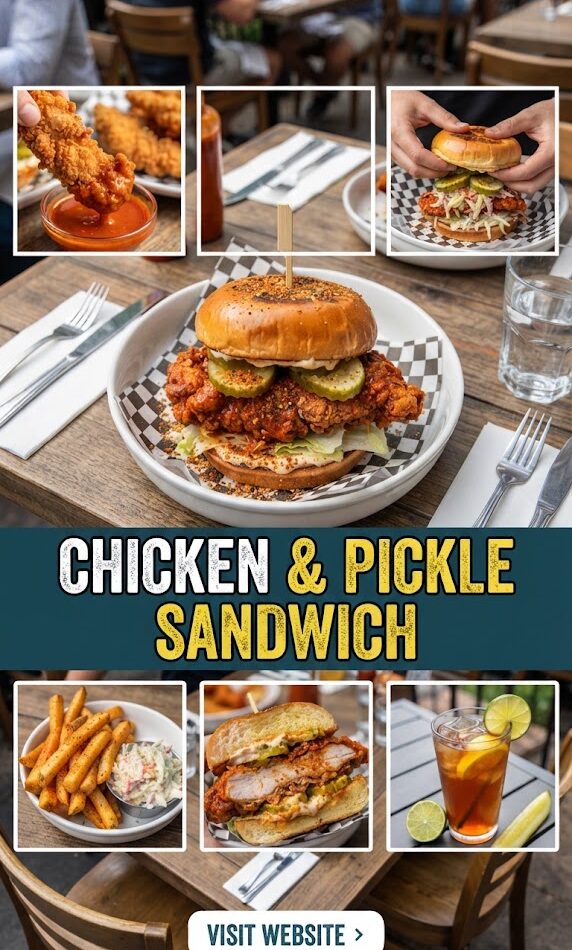
The chicken and pickle sandwich is more than just a meal; it is a cultural phenomenon that has gripped the American palate for decades. From the humble lunch counters of the South to the high-stakes “Sandwich Wars” of modern fast-food giants, this specific combination of salty, sour, crunchy, and juicy has become the gold standard for comfort food.
But what exactly makes the marriage of fried chicken and vinegar-soaked cucumbers so irresistible? Is it the science of flavor balancing, or is it a nostalgic pull toward simpler times? In this comprehensive guide, we will dive deep into the history, the science, the techniques, and the ultimate recipes that define the perfect chicken and pickle sandwich.
The Anatomy of a Masterpiece: Why It Works
Before we look at how to build one, we must understand the “why.” Culinary experts often speak about the “Balance of Elements,” and the chicken and pickle sandwich is a textbook example of this principle.
1. The Fat and the Acid
Fried chicken is inherently rich. Whether it’s breaded in flour or dipped in batter, the frying process infuses the protein with fats. The human palate loves fat, but it can quickly become overwhelming or “heavy.” This is where the pickle comes in. The acetic acid (vinegar) in the pickle acts as a palate cleanser. It cuts through the grease, brightening the flavor profile and preparing your taste buds for the next savory bite.
2. The Texture Contrast
A great sandwich is a symphony of textures. You have the soft, pillowy yield of a toasted brioche bun, the shattering crunch of the golden-brown breading, the succulent juice of the chicken, and finally, the snap of a cold, crisp pickle. Without that snap, the sandwich feels one-dimensional.
3. The Umami Bomb
Chicken, especially when brined, is packed with umami. When you combine this with the fermented depth of a quality dill pickle, you create a flavor profile that hits every taste receptor on the tongue.
A Brief History: From Southern Staples to Global Icons
The origins of the chicken and pickle sandwich are deeply rooted in the American South. While many cultures have fried chicken traditions, the specific “sandwich” format gained massive traction in the mid-20th century.
The Chick-fil-A Revolution
You cannot discuss this sandwich without mentioning S. Truett Cathy. In 1964, Cathy perfected a recipe for a boneless breast of chicken, seasoned and breaded, cooked in a pressure fryer, and served on a toasted buttered bun with—crucially—two dill pickle chips. This simplicity was revolutionary. It moved fried chicken from a “Sunday dinner” plate to a portable, everyday luxury.
The 2019 Sandwich War
For years, Chick-fil-A held the crown. Then came August 2019, when Popeyes Louisiana Kitchen released their own version. The internet exploded. The “Sandwich Wars” began, leading to nationwide shortages and a renewed obsession with the chicken and pickle combo. This era proved that the American public wasn’t just looking for a quick bite; they were looking for the perfect iteration of this specific flavor profile.
The Secret is in the Brine: The Pickle Juice Miracle
If you ask any top-tier chef the secret to a juicy chicken sandwich, they will likely point to the brine. Specifically, the pickle juice brine.
Brining involves soaking the chicken in a salt-heavy liquid before cooking. This process does two things:
- Moisture Retention: The salt denatures the meat’s proteins, allowing them to hold more water. This ensures the chicken stays juicy even after being fried at high temperatures.
- Flavor Infusion: By using pickle juice as the base for the brine, you infuse the chicken with garlic, dill, and vinegar notes from the inside out.
How to Brine Like a Pro
To achieve that “restaurant quality” flavor at home, submerge your chicken breasts or thighs in a mixture of dill pickle juice and a splash of buttermilk for at least 4 hours (though 12-24 hours is ideal). The lactic acid in the buttermilk further tenderizes the meat, while the pickle juice provides the signature tang.
Choosing Your Components: The Path to Perfection
Every ingredient in a chicken and pickle sandwich must be chosen with intention. Here is a breakdown of the essential components.
1. The Chicken: Thighs vs. Breasts
- The Breast: This is the classic choice. It’s lean, provides a large surface area for breading, and offers a clean chicken flavor. However, it dries out easily.
- The Thigh: Many foodies prefer the thigh because of its higher fat content and flavor. It stays incredibly juicy and is more forgiving during the frying process.
2. The Bread: More Than a Vessel
The bun is often overlooked, but it is the “handshake” of the sandwich.
- Brioche: The gold standard. Its high egg and butter content gives it a sweetness that complements the salty chicken.
- Potato Roll: Famous for its soft, squishy texture that molds to the chicken.
- Toasting is Mandatory: Always butter and toast your bun. This creates a structural barrier that prevents the bread from getting soggy from the chicken juices or pickles.
3. The Pickle: The Star of the Show
Not all pickles are created equal. For a chicken sandwich, you need a Dill Pickle.
- Cured vs. Quick Pickles: Fermented, refrigerated pickles (like Claussen or Grillo’s) offer a superior “snap” compared to shelf-stable, pasteurized pickles.
- The Cut: Thick-cut “waffle” slices or “chips” are preferred. They provide more surface area and a more significant crunch.
4. The Breading: Flour, Cornstarch, and Spices
The goal is “shatteringly crisp.” A mixture of all-purpose flour and cornstarch (about a 4:1 ratio) is the secret to a light, airy, but incredibly crunchy crust.
- Spices: Paprika (for color), garlic powder, onion powder, black pepper, and a hint of cayenne are essential.
The Ultimate Southern Fried Chicken and Pickle Sandwich Recipe
This recipe is designed to replicate the high-end experience of a gourmet chicken joint in your own kitchen.
Ingredients
For the Chicken & Brine:
- 4 boneless, skinless chicken breasts (pounded to even thickness)
- 1 cup dill pickle juice
- 1/2 cup buttermilk
- 1 tsp hot sauce
For the Breading:
- 2 cups all-purpose flour
- 1/2 cup cornstarch
- 2 tbsp smoked paprika
- 1 tbsp garlic powder
- 1 tbsp onion powder
- 1 tsp black pepper
- 1/2 tsp cayenne pepper
- 2 tsp salt
For Assembly:
- 4 Brioche buns
- Unsalted butter (for toasting)
- High-quality dill pickle chips (refrigerated variety)
- Optional: Spicy mayo (mayonnaise mixed with sriracha and a drop of honey)
Instructions
Step 1: The Brine
Place your chicken in a large bowl or Ziploc bag. Pour in the pickle juice, buttermilk, and hot sauce. Ensure the chicken is fully submerged. Refrigerate for at least 6 hours.
Step 2: The Dredge
In a shallow dish, whisk together the flour, cornstarch, and all spices. Here is a pro-tip: Drizzle 2-3 tablespoons of the liquid brine into the flour mixture and mix it with a fork to create small clumps. These clumps will stick to the chicken and create those extra-crunchy “nuggets” on the crust.
Step 3: Coating the Chicken
Remove a piece of chicken from the brine, letting the excess liquid drip off. Press it firmly into the flour mixture, ensuring every nook and cranny is covered. Shake off the excess and place on a wire rack. Let the breaded chicken sit for 10 minutes; this helps the coating adhere and prevents it from falling off in the fryer.
Step 4: The Fry
Heat neutral oil (peanut or canola) in a heavy-bottomed pot or Dutch oven to 350°F (175°C). Fry the chicken for 5-7 minutes, turning once, until the internal temperature reaches 165°F and the exterior is a deep golden brown.
Step 5: The Toast
While the chicken rests for a minute, butter your brioche buns and toast them in a skillet until golden and slightly crisp on the edges.
Step 6: Assembly
Spread a thin layer of spicy mayo on the bottom bun. Place the hot chicken on top. Layer at least 4-5 thick pickle chips over the chicken. Crown with the top bun and serve immediately.
Variations: Taking the Concept Further
While the classic fried version is king, the chicken and pickle concept is incredibly versatile.
1. The Nashville Hot Chicken and Pickle
For those who crave heat, the Nashville Hot version adds a spicy oil glaze. After frying, the chicken is dipped in a mixture of hot lard (or frying oil) whisked with cayenne, brown sugar, and chili powder. To balance this intense heat, the pickle becomes even more important—the cold acidity is the only thing that saves your palate from the fire.
2. The Grilled Health-Conscious Version
You don’t always need a deep fryer. A grilled chicken breast, marinated in pickle juice and herbs, served with extra pickles on a whole-grain bun, offers the same flavor profile with significantly fewer calories. The key here is to char the chicken slightly to get that smoky contrast.
3. The Korean Fried Chicken (KFC) Twist
Korean fried chicken is famous for its double-fry technique and soy-garlic or gochujang glaze. Instead of standard dill pickles, this version is often served with Mu (pickled daikon radish). The principle is identical: sweet/salty/fatty meat paired with a crisp, acidic vegetable.
4. The “Pickle-Back” Sandwich
Some modern gastropubs have taken it a step further by incorporating “pickle butter” or “pickle slaw.” This involves finely chopping pickles and mixing them into a tangy coleslaw, providing a creamy yet acidic topping that replaces the standard chips.
The Science of the “Snap”: Why Pickle Quality Matters
If you use a soggy, limp pickle, your sandwich will fail. The “snap” of a pickle is scientifically determined by the pectin in the cell walls of the cucumber.
In mass-produced, shelf-stable pickles, the high heat of pasteurization often breaks down this pectin, resulting in a softer texture. Artisanal or refrigerated pickles often use “calcium chloride” (a natural firming agent) or cold-processing to keep those cell walls intact. When you bite into a chicken sandwich, that audible crunch from the pickle sends a signal to the brain that the food is fresh and high-quality.
Beyond the Sandwich: Pairing Your Meal
What should you serve alongside such a powerhouse sandwich?
- Cole Slaw: A vinegar-based slaw mirrors the acidity of the pickles, while a creamy slaw provides a cooling contrast.
- Waffle Fries: Their shape allows them to hold more salt and seasoning, matching the “fun” aesthetic of the sandwich.
- Sweet Tea: In the South, this is the mandatory beverage. The sugar helps mitigate the saltiness of the brine and the heat of any spices.
- Bourbon-Based Cocktails: If you’re enjoying a gourmet version at a bar, a Kentucky Mule or an Old Fashioned complements the smoky paprika and fried notes of the chicken.
Common Mistakes to Avoid
- Over-Marinating: While 24 hours is great, leaving chicken in high-acid pickle juice for more than 48 hours can actually turn the meat mushy as the acid breaks down the fibers too much.
- Wrong Oil Temperature: If the oil is too cold, the breading will soak up grease and become soggy. If it’s too hot, the outside will burn before the inside is cooked. Invest in an instant-read thermometer.
- Crowding the Pan: Frying too many pieces at once drops the oil temperature. Fry in batches for the crispiest results.
- Skipping the Rest: Let the chicken rest on a wire rack for 2-3 minutes after frying. This allows the juices to redistribute and the crust to “set.”
The Future of the Chicken and Pickle Sandwich
As we look toward food trends, the chicken and pickle sandwich continues to evolve. We are seeing the rise of “hot honey” drizzles, which add a sweet-heat layer to the salt-acid-fat trio. We are also seeing plant-based “chicken” sandwiches using oyster mushrooms or seitan, which rely even more heavily on the pickle and brine to provide that familiar “meaty” satisfaction.
Regardless of the innovations, the core of the sandwich remains unchanged. It is a testament to the power of simple, high-quality ingredients working in harmony. Whether you’re grabbing one from a drive-thru window or carefully breading your own at home, the chicken and pickle sandwich is a timeless icon of American culinary ingenuity.
Frequently Asked Questions (FAQ)
Why do people put pickles on chicken sandwiches?
The primary reason is flavor balance. The acidity of the pickle cuts through the richness and fat of the fried chicken, acting as a palate cleanser and enhancing the overall taste.
Can I use sweet pickles instead of dill?
While you can, it changes the profile significantly. “Bread and Butter” pickles are sweet and are used in some variations, but the classic American chicken sandwich almost always calls for the savory, salty tang of a dill pickle.
Is the chicken in these sandwiches actually soaked in pickle juice?
In many top-tier restaurants and fast-food chains (famously Chick-fil-A), the chicken is indeed brined in a solution that often includes pickle juice or a similar vinegar-salt-sugar mixture to ensure juiciness and flavor.
What is the best way to reheat a chicken and pickle sandwich?
Never use a microwave; it will make the breading soggy. The best way is to remove the pickles, put the chicken and bun in an air fryer or oven at 350°F for about 5 minutes, and then re-assemble with fresh pickles.
Final Thoughts
The chicken and pickle sandwich has earned its place in the pantheon of great American foods alongside the cheeseburger and the hot dog. Its perfection lies in its balance—a culinary tightrope walk between heavy and light, soft and crunchy, salt and acid.
By mastering the brine, choosing the right pickles, and perfecting the fry, you aren’t just making a sandwich; you’re participating in a rich gastronomic tradition. So, the next time you hear that crunch as you bite into a perfectly toasted bun, remember: it’s not just a pickle. It’s the secret ingredient that makes the whole world of flavor go ’round.