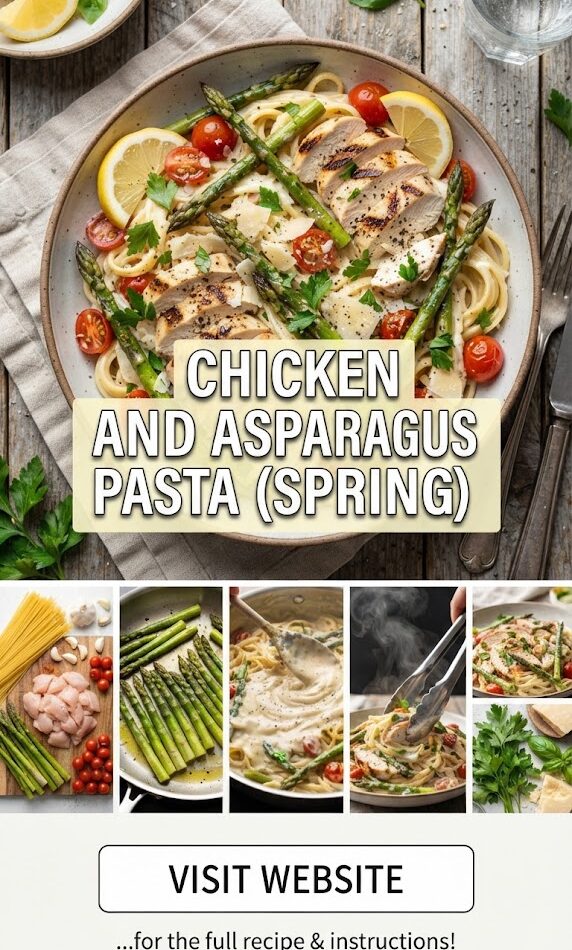
As the frost of winter fades and the first green shoots begin to emerge from the warming earth, our culinary cravings undergo a fundamental shift. We move away from the heavy, slow-simmered stews and root vegetables that sustained us through the cold months, reaching instead for something vibrant, crisp, and revitalizing. Nothing captures this seasonal transition quite like Chicken and Asparagus Pasta.
This dish is more than just a meal; it is a celebration of the spring harvest. It combines the lean, versatile protein of chicken with the earthy, grassy notes of fresh asparagus, all bound together by a light, zesty sauce and perfectly cooked pasta. Whether you are hosting a garden party or looking for a quick weeknight dinner that feels like a gourmet treat, this guide provides everything you need to master the art of the perfect spring pasta.
Why Chicken and Asparagus is the Perfect Pairing
The synergy between chicken and asparagus is a classic example of culinary balance. Chicken serves as a neutral yet satisfying canvas, providing a savory foundation that allows the more nuanced flavors of spring produce to shine. Asparagus, on the other hand, offers a unique textural contrast—tender yet snappy—and a flavor profile that ranges from nutty to slightly bitter.
In the world of seasonal eating, “what grows together, goes together.” Spring is the peak season for asparagus, particularly in the United States, where the harvest begins in late February and peaks in April and May. When you pair this peak-season vegetable with high-quality chicken and a touch of lemon or garlic, you create a dish that feels “alive” on the palate.
The Anatomy of Ingredients: Choosing Quality
To create a Google-ranked, restaurant-quality dish at home, you must start with the best possible components. Here is a deep dive into the ingredients that make this dish exceptional.
1. The Asparagus: The Star of the Show
When shopping for asparagus, look for stalks that are firm, straight, and bright green. The tips should be tightly closed and not mushy.
- Thin vs. Thick: Thin stalks are often sweeter and more tender, making them ideal for quick sautés. Thicker stalks have a more robust, meaty texture but may require peeling the bottom inch to remove the woody exterior.
- Preparation: Always snap off the woody ends. A pro tip is to hold the stalk at both ends and bend it until it snaps naturally—the point where it breaks is exactly where the tender part begins.
2. The Chicken: Protein Perfection
- Boneless, Skinless Chicken Breasts: These are the traditional choice for a lean, clean flavor profile. To prevent them from drying out, they should be sliced into even, bite-sized pieces and seared quickly over high heat.
- Chicken Thighs: For a juicier, richer flavor, consider using boneless thighs. They are more forgiving and hold up well to the acidic components of a lemon sauce.
- Organic/Air-Chilled: If the budget allows, opt for air-chilled chicken. It has less water content, meaning it sears better and develops a deeper golden-brown crust (the Maillard reaction).
3. The Pasta: Selecting the Shape
The shape of your pasta determines how it interacts with the sauce and the other ingredients.
- Penne or Rigatoni: The hollow centers and ridges are perfect for catching bits of garlic and light sauces.
- Fusilli: The twists are excellent for “grabbing” small pieces of asparagus and herbs.
- Fettuccine or Linguine: If you prefer a silkier, more elegant mouthfeel, long ribbons are a classic choice for buttery or creamy spring sauces.
- Farfalle (Bow Tie): A whimsical choice that matches the lightness of the season.
4. The Aromatics and Sauce Base
- Garlic: Freshly minced garlic is non-negotiable. Avoid the pre-minced jars, as they lack the pungent “kick” needed to balance the asparagus.
- Lemon: You will need both the zest and the juice. The zest provides the essential oils and aroma, while the juice provides the acidity to cut through the richness of the butter or oil.
- Shallots: Often overlooked, shallots provide a subtle onion flavor with a hint of sweetness that complements spring vegetables perfectly.
Step-by-Step Culinary Excellence: The Recipe
This recipe focuses on a Lemon-Garlic White Wine Sauce, which is light enough for spring but flavorful enough to satisfy.
Ingredients List
- 1 lb Chicken breast or thighs, cut into 1-inch cubes
- 1 lb Fresh asparagus, trimmed and cut into 2-inch pieces
- 12 oz Pasta (of your choice)
- 3 tbsp Extra virgin olive oil
- 3 tbsp Unsalted butter
- 4 cloves Garlic, minced
- 1 Shallot, finely diced
- 1/2 cup Dry white wine (Pinot Grigio or Sauvignon Blanc)
- 1 Lemon (zested and juiced)
- 1/2 cup Freshly grated Parmesan cheese
- 1/2 cup Reserved pasta water (Crucial!)
- Fresh herbs: Parsley, basil, or chives
- Salt and freshly cracked black pepper to taste
- Red pepper flakes (optional, for heat)
Instructions
Phase 1: Prepping the Base
- Boil the Water: Bring a large pot of salted water to a boil. Use more salt than you think; it should taste like the sea. This is your only chance to season the pasta itself.
- Sear the Chicken: In a large skillet, heat 1 tablespoon of olive oil over medium-high heat. Season the chicken pieces with salt and pepper. Add them to the skillet in a single layer. Let them sear undisturbed for 3 minutes to get a golden crust, then toss and cook for another 2-3 minutes until cooked through. Remove the chicken from the pan and set aside.
Phase 2: The Vegetables and Pasta
- Cook the Pasta: Add your pasta to the boiling water. Set a timer for 2 minutes less than the package instructions for “al dente.”
- Sauté the Asparagus: In the same skillet used for the chicken, add another tablespoon of oil. Toss in the asparagus pieces. Sauté for 3-5 minutes. You want them to be bright green and “tender-crisp.” Remove them from the pan to prevent overcooking.
Phase 3: Building the Sauce
- Aromatics: Lower the heat to medium. Add the remaining oil and 1 tablespoon of butter. Sauté the shallots until translucent (about 2 minutes), then add the garlic and red pepper flakes. Cook for 30 seconds until fragrant.
- Deglaze: Pour in the white wine. Use a wooden spoon to scrape up all the brown bits (fond) from the bottom of the pan—this is concentrated flavor. Let the wine reduce by half.
- Emulsify: Add the lemon juice and the remaining butter. Stir constantly as the butter melts to create a silky emulsion.
Phase 4: The Integration
- Combine: Before draining the pasta, reserve at least a cup of the starchy cooking water. Add the drained pasta, the cooked chicken, and the asparagus into the skillet with the sauce.
- Finish: Pour in 1/4 cup of the pasta water and the Parmesan cheese. Toss everything vigorously over medium heat. The starch in the water and the cheese will combine with the butter and wine to create a glossy sauce that clings to every strand of pasta.
- Garnish: Turn off the heat. Fold in the lemon zest and fresh herbs. Season with more salt and pepper if needed.
Pro-Tips for the Ultimate Flavor Profile
To take your Chicken and Asparagus Pasta from “good” to “extraordinary,” consider these professional culinary secrets:
The Importance of “Pasta Water”
Never throw away all your pasta water. It is “liquid gold.” Because it is full of starch from the noodles, it acts as a binder. If your pasta looks dry, a splash of this water will loosen it up and make it creamy without adding extra fat.
Don’t Overcook the Asparagus
Asparagus can turn from vibrant green to a dull, mushy gray in a matter of seconds. To ensure the best texture, you can “blanch” the asparagus in the pasta water during the last 2 minutes of the pasta’s cooking time, then shock it in ice water before adding it to the skillet at the very end.
The “Zest” Factor
Most of the lemon flavor is in the skin, not the juice. Always zest your lemon before juicing it. Add the juice during the cooking process to provide acidity, but save the zest for the very end. Heat can turn the zest bitter, so folding it in just before serving keeps the aroma fresh and bright.
Achieving the Perfect Sear
When searing chicken, do not overcrowd the pan. If the pieces are too close together, they will steam instead of brown. Work in batches if necessary to ensure that beautiful golden crust.
Variations: Catering to Every Palate
While the lemon-garlic version is a spring classic, this dish is incredibly versatile. Here are three popular variations:
1. The Creamy Alfredo Twist
If you prefer a richer, more indulgent meal, swap the wine for heavy cream.
- After sautéing the garlic, add 1 cup of heavy cream and let it simmer for 3 minutes until thickened.
- Whisk in plenty of Parmesan and a pinch of nutmeg.
- This version pairs beautifully with fettuccine and thicker stalks of asparagus.
2. The Pesto Powerhouse
For an explosion of green, use basil pesto as your sauce base.
- Skip the wine and lemon juice.
- Toss the cooked pasta, chicken, and asparagus with 1/2 cup of high-quality pesto and a splash of pasta water.
- Top with toasted pine nuts for added crunch.
3. The Mediterranean Health Bowl
For a lighter, heart-healthy version:
- Use whole-wheat or chickpea pasta.
- Replace the butter entirely with high-quality extra virgin olive oil.
- Add cherry tomatoes (halved) and kalamata olives.
- Top with crumbled feta cheese instead of Parmesan.
Nutritional Benefits: A Balanced Powerhouse
One of the reasons Chicken and Asparagus Pasta is so popular in the United States is its nutritional balance. It provides a harmonious mix of macronutrients:
- Asparagus: A nutritional superstar. It is low in calories but packed with fiber, folate, and vitamins A, C, and K. It also contains chromium, a trace mineral that enhances the ability of insulin to transport glucose from the bloodstream into cells.
- Chicken: A high-quality source of lean protein, essential for muscle repair and satiety. It contains selenium, which is important for thyroid function and immune health.
- Carbohydrates: Pasta provides the glucose needed for brain and muscle energy. Opting for “al dente” pasta results in a lower glycemic index compared to overcooked pasta, meaning it provides more sustained energy.
- Healthy Fats: Using olive oil provides monounsaturated fats, which are beneficial for heart health.
How to Meal Prep Chicken and Asparagus Pasta
This dish is a favorite for meal preppers because it holds up well in the refrigerator. However, there are a few tricks to prevent it from becoming dry when reheated:
- Undercook the Pasta slightly: If you know you are reheating it, cook the pasta even more “al dente” than usual. It will soften further during the reheating process.
- Store Sauce Separately (Optional): If you are making a creamy version, store a little extra sauce or a splash of chicken broth to add before microwaving.
- Reheating Tip: When reheating in the microwave, add a teaspoon of water and cover the container. This creates steam that revives the pasta and keeps the chicken moist.
- Cold Pasta Salad: This dish actually tastes great cold! If you have leftovers, toss them with a little extra balsamic glaze or lemon juice for a refreshing spring lunch.
Wine Pairing Recommendations
A dish this fresh deserves a beverage that complements its bright notes. In the USA, we have access to incredible domestic and imported wines that fit the bill:
- Sauvignon Blanc: The classic choice. Its high acidity and herbaceous notes mirror the grassy flavors of the asparagus. Look for a bottle from Marlborough (New Zealand) or the Napa Valley.
- Pinot Grigio: A lighter, crisper option that won’t overwhelm the delicate flavors of the lemon and chicken.
- Dry Rosé: A versatile “middle ground” that offers enough body to stand up to the chicken while remaining refreshing for a spring afternoon.
- Unoaked Chardonnay: If you prefer a white with more body but without the heavy “buttery” or “oaky” flavors, an unoaked Chardonnay provides a clean, apple-forward finish.
Troubleshooting Common Issues
Why is my chicken rubbery?
This usually happens due to overcooking. Chicken breast is very lean and loses moisture quickly. Ensure you are using high heat to sear the outside quickly and remove it the moment the center is no longer pink.
Why is my sauce watery?
If your sauce isn’t clinging to the pasta, you likely didn’t use enough pasta water or Parmesan. The combination of starch and cheese is what creates that “creamy” coating without needing heavy cream.
My asparagus tastes bitter.
Very large, older asparagus can sometimes have a bitter edge. To fix this, add a tiny pinch of sugar to the sauce or increase the amount of lemon zest. The sweetness or acidity will counteract the bitterness.
The History of Asparagus in Spring Cuisine
Asparagus has been prized as a delicacy for over 2,000 years. The ancient Greeks and Romans cultivated it for its medicinal properties and its unique flavor. In the United States, asparagus production is centered in states like Michigan, Washington, and California.
Historically, the arrival of asparagus in the market was the official “sign” that winter was over. Before the era of global shipping, people waited all year for those few weeks in spring when asparagus was available. This sense of anticipation is part of why Chicken and Asparagus Pasta feels so special—it represents a time of renewal and the return of fresh, local food.
Frequently Asked Questions (FAQs)
Q: Can I use frozen asparagus? A: While you can, it isn’t recommended for this specific dish. Frozen asparagus tends to be much softer and can become mushy when sautéed. If you must use it, add it at the very last second just to warm it through.
Q: Is this dish gluten-free? A: It can easily be made gluten-free by using your favorite GF pasta (such as brown rice or corn-based pasta). Ensure your white wine and chicken bouillon (if using) are also certified gluten-free.
Q: Can I add other vegetables? A: Absolutely! Peas, leeks, and baby spinach are all fantastic “spring” additions that complement the asparagus perfectly.
Q: How do I store leftovers? A: Store in an airtight container in the refrigerator for up to 3 to 4 days. It is not recommended to freeze this dish, as the texture of the pasta and asparagus will degrade.
Q: What can I use instead of white wine? A: If you prefer not to cook with alcohol, use high-quality chicken broth with an extra squeeze of lemon juice to provide the necessary acidity.
Final Thoughts: Bringing the Spring Garden to Your Table
The Chicken and Asparagus Pasta is a testament to the beauty of simple, seasonal cooking. By focusing on the quality of your ingredients—the snap of the asparagus, the sear on the chicken, and the zing of the lemon—you create a meal that is far greater than the sum of its parts.
This dish invites you to slow down and savor the flavors of the season. It encourages experimentation, whether you’re adding a handful of fresh mint or a dusting of red pepper flakes. As you sit down to a bowl of this vibrant pasta, you aren’t just eating dinner; you’re tasting the very essence of spring.
So, head to your local farmer’s market, grab the greenest bunch of asparagus you can find, and bring the flavors of the new season into your kitchen tonight. Your taste buds—and your guests—will thank you.