The Rise of the Micro-Business:
The traditional career ladder is no longer the only path to success. In 2026, the economic landscape is defined by flexibility, digital connectivity, and a desire for autonomy. Starting a micro-business from home has evolved from a side hustle into a viable, scalable, and often lucrative career choice. The barriers to entry are lower than ever; with a laptop, an internet connection, and a marketable skill, virtually anyone can become an entrepreneur.
However, the modern home-based business owner is a strategic operator. They move past the hype of “get rich quick” schemes and instead look for genuine market gaps. A study of over 154,000 user complaints on platforms like Reddit and Capterra reveals that the most successful home businesses solve specific, painful problems—from inadequate customer support in software to a lack of transparency in influencer marketing. This demand-driven approach is the foundation for long-term success.
This guide explores 20 of the most viable micro-business ideas for 2026, categorized by their core focus: Service-Based, Product-Based, Creative, and Niche/Emerging.
Section 1: Service-Based Businesses (The Expert Economy)
The service-based business model is a cornerstone of the home-based economy. It offers the advantage of high profit margins, minimal inventory, and the ability to monetize existing skills. These businesses are built on trust, expertise, and the ability to solve problems for clients, making them ideal for entrepreneurs who prefer an asset-light approach.
1. Virtual Assistant (VA)
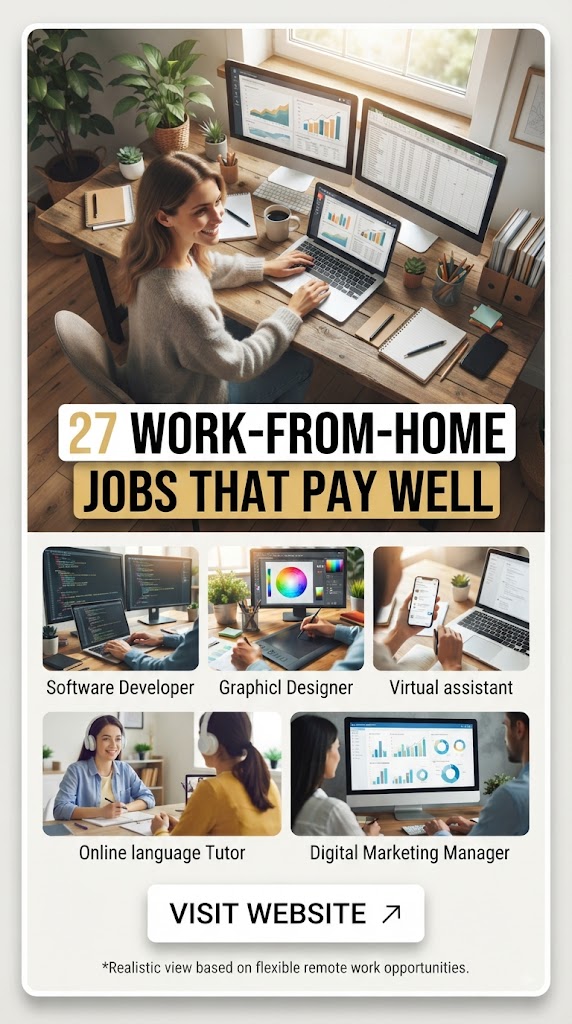
The demand for skilled administrative support has exploded as businesses of all sizes go remote. Virtual Assistants handle a wide range of tasks, including scheduling, email management, and data entry. By specializing in a niche—like real estate or tech startups—a VA can command higher rates and build a more focused business model. This is one of the most popular home business ideas because it requires little more than a laptop, reliable internet, and strong organizational skills.
2. Digital Marketing Consultant
As businesses scramble to establish and maintain an online presence, the need for digital marketing expertise is relentless. A consultant can guide clients in areas like Search Engine Optimization (SEO), content strategy, and social media management. This business requires staying abreast of the latest trends and algorithm changes, making it a dynamic and rewarding field for the analytically minded.
3. Graphic Designer
Branding is visual, and skilled graphic designers are the architects of that visual identity. Businesses need logos, social media templates, and marketing collateral. One of the most significant market gaps for graphic design is in “export-optimized” deliverables, where designers ensure files are print-ready, web-ready, and compatible across all platforms. Mastering this step adds immense value beyond just aesthetics.
4. Home-Based Billing and Invoicing Consultancy
A 2026 analysis found that inadequate customer support in billing and invoicing tools is one of the highest-rated pain points for businesses. This creates a perfect opportunity for a consultancy that helps small businesses set up, migrate, and optimize these workflows. This is more than just software training; it is providing the personalized, responsive support that software companies are failing to offer.
5. SEO Consultant
Search Engine Optimization is the art and science of driving organic, high-quality traffic to websites. For businesses, ranking higher on Google is a top priority. An SEO consultant analyzes websites, conducts keyword research, and implements strategies to improve search visibility. This role requires a deep understanding of marketing strategy, data analytics, and a willingness to keep up with ever-evolving search engine algorithms.
6. Bookkeeper
Many small business owners are experts in their field but lack financial literacy. This is where a bookkeeper steps in. They manage the financial records, handle invoicing and payroll, and ensure tax compliance. In the UK, for instance, this often requires a formal training certificate, such as the AAT qualification, establishing credibility and trust.
7. Business Consultant
If you have extensive experience in a specific industry like HR, finance, or operations, you can monetize that knowledge as a consultant. The role involves helping other businesses solve problems, improve efficiency, and achieve their goals. With minimal overhead and the ability to serve clients remotely, it offers significant income potential and flexibility.
Section 2: Product-Based Businesses (The Maker Economy)
The desire for unique, personalized, and handcrafted items is stronger than ever. The maker economy allows creators to turn a passion or a hobby into a thriving business, often bypassing traditional manufacturing and retail models. The key to success in this space is creating a strong brand story and connecting with a target audience that values craftsmanship.
8. E-Commerce Store Owner
Selling products online is a classic home business model. Whether you are curating a selection of niche items, creating your own goods, or using a dropshipping model to sell products without holding inventory, an e-commerce store offers global reach. Platforms like Shopify and Etsy make it easy to get started, while marketplaces like Amazon and Noon offer access to vast customer bases.
9. Print-on-Demand (POD) Specialist
POD is a low-risk model where you create unique designs for apparel, mugs, or bags, but a third-party supplier prints, ships, and handles inventory only after a customer places an order. This eliminates the need for upfront inventory investment and storage space. Success depends on strong design skills, trend-spotting, and effective platform management.
10. Handmade Crafts & Goods
This category encompasses a vast range of products, from homemade candles and soaps to eco-friendly jewelry and custom decor. Platforms like Etsy and Instagram are crucial for showcasing your work and building a community. Many customers are willing to pay a premium for items that are unique, handcrafted, and tell a story.
11. Pet Portrait Artist
With millions of pet owners around the world, the market for pet portraits is substantial and heartfelt. Artists can turn a hobby into a business by creating custom art pieces from photographs. This is a deeply fulfilling business that brings joy to clients and can be promoted through local vets, groomers, and social media.
12. Homemade Food Business
Starting a home bakery or food brand has seen explosive growth, driven by the pandemic hobby economy. Entrepreneurs are selling everything from cupcakes and artisan bread to traditional pickles and packaged snacks. Success can involve partnering with delivery apps or building a brand on WhatsApp, as seen with many successful home bakers. Legal compliance and food safety are paramount and must be researched thoroughly.
Section 3: The Knowledge Economy (Content and Education)
The knowledge economy is built on the exchange of information. If you have expertise, skills, or a unique perspective, you can package that into a business. This sector is attractive for its scalability; a single product, like an online course, can be sold to an unlimited number of customers with minimal ongoing effort.
13. Freelance Copywriter/Editor
Words are the foundation of marketing, and businesses are constantly in need of clear, compelling copy for their websites, emails, and advertisements. Freelance writers and editors help brands find their voice and communicate effectively. A strong portfolio that demonstrates the ability to adapt to different brand guidelines is essential for success.
14. Online Tutor/Coach
The online tutoring market is booming. From helping students prepare for exams to coaching professionals through career changes, expertise can be shared globally via video calls. Whether it’s GCSE Math, coding, or a foreign language, the ability to connect with students and teach effectively from home is a valuable and fulfilling business.
15. Content Creator
Content creation includes a broad range of activities, from blogging and podcasting to creating videos for YouTube and social media. Content creators build an audience around their expertise or passion and monetize it through ads, sponsorships, memberships, and product sales. With a low startup cost and the potential for multiple income streams, it is one of the most accessible home business ideas.
16. Digital Product Creator
Creating digital products like e-books, templates, music, and software is an excellent way to generate passive income. For example, a financial expert could create a budgeting spreadsheet, or a designer could offer a bundle of social media templates. This is one of the most scalable business models, as you create the product once and sell it repeatedly with minimal additional cost.
Section 4: Niche & Emerging Business Ideas
For entrepreneurs who want to go beyond the mainstream, niche businesses offer the opportunity to serve a specific, underserved segment of the market. These ideas often capitalize on growing trends like sustainability, the creator economy, and the need for community.
17. Transparent Influencer Marketing Agency
Businesses are frustrated with paying high influencer fees without transparency regarding ROI. An influencer agency that operates with full fee transparency—showing clients exactly where each dollar goes—can disrupt the market. This builds trust and positions the agency as a performance-based partner rather than a traditional middleman.
18. Online Tutoring in High-Demand Fields
While general tutoring is common, specialized tutoring in fields like specific coding languages, data science, or advanced finance can be extremely lucrative. The key is to identify a specific need and position yourself as the expert solution. For instance, offering tutoring for A-Level Math during exam season can command premium rates.
19. Home-Based Gardening & Microgreen Business
The pandemic sparked a huge interest in home gardening, and that trend has evolved into a lifestyle choice. Entrepreneurs are creating DIY gardening kits, selling curated plant arrangements, and operating businesses that grow and sell microgreens to local restaurants and health-conscious consumers. This business often requires minimal space—a windowsill or a small hydroponic setup can be sufficient.
20. Digital Services Hub for Rural Areas
In many rural communities, access to digital services is limited. Establishing a local hub that provides essential online services like form filling, bill payments, document printing, and government scheme guidance can be a vital and profitable community asset. This model leverages the digital divide to create a valuable micro-business opportunity.
Conclusion: How to Choose Your Path
The 20 ideas outlined here offer a roadmap for building a successful micro-business from home. However, not every idea is right for every person. To maximize your chances of success, consider the following steps:
- Assess Your Skills and Passion: What are you naturally good at? What do you enjoy doing? Building a business around a genuine interest makes the journey more sustainable.
- Validate Your Market: As the analysis of user complaints shows, the best ideas solve a real problem. Research your target audience to ensure there is a genuine demand for your service or product.
- Start Small and Scale: The most successful entrepreneurs often begin with a small-scale venture, perhaps as a side hustle. Use this phase to test your idea, refine your offering, and build a client base without taking on significant financial risk.
- Build a Strong Brand: In a crowded marketplace, your brand—your story, your values, and your customer service—is what sets you apart. Whether you are a freelance writer or a candle maker, ensure that every interaction reflects your brand promise.
The tools and technology are in place, the demand is clear, and the opportunities are vast. The journey of a micro-entrepreneur is one of continuous learning and adaptation, but for those willing to take the first step, the rewards are immense.