
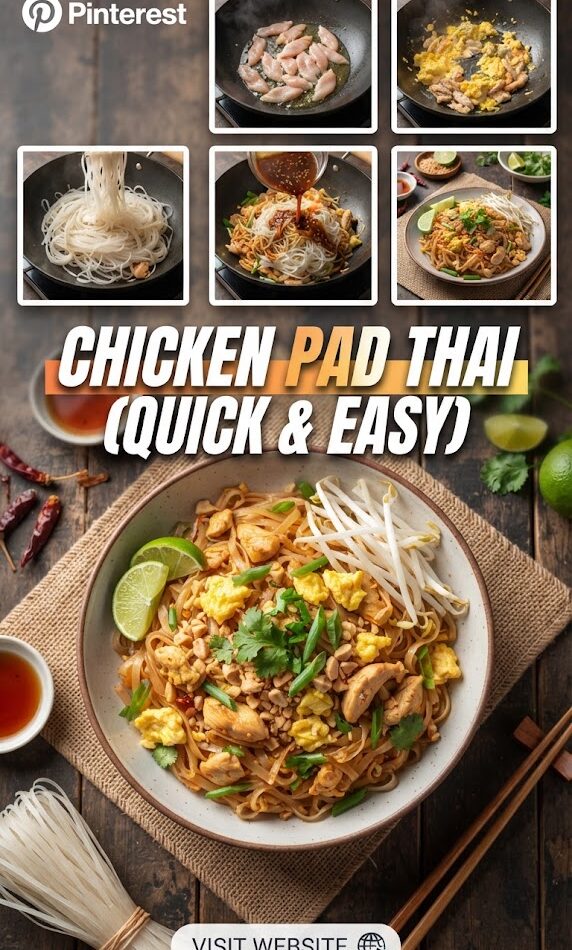
There is perhaps no dish that captures the essence of Southeast Asian cuisine quite like Pad Thai. It is a symphony of flavors—a delicate balance of sweet, sour, salty, and spicy—all intertwined within the silky embrace of rice noodles and tender chicken. While it often feels like a complex masterpiece when ordered at a high-end restaurant, the truth is that Pad Thai was born on the bustling streets of Bangkok as a quick, accessible, and nutritious meal for the masses.
In this comprehensive guide, we are going to demystify the process of making Chicken Pad Thai. We will explore its fascinating historical roots, dive deep into the essential ingredients that create its signature profile, and provide a foolproof, quick, and easy recipe that allows you to bring the authentic taste of Thailand into your own kitchen in under 30 minutes.
The Surprising History of Pad Thai: A Nation-Building Dish
To understand Pad Thai, one must understand its origin story, which is less about ancient tradition and more about modern nation-building. Unlike many traditional dishes that evolved over centuries, Pad Thai was a deliberate creation promoted by the Thai government in the late 1930s and early 1940s.
During the era of Prime Minister Plaek Phibunsongkhram, Thailand (then known as Siam) was undergoing a massive cultural transformation. The government wanted to foster a sense of national identity and unity. At the same time, the country was facing a rice shortage due to war and floods. However, rice noodles were cheap and plentiful.
The government held a competition to create a national dish. The winner was “Kway Teow Pad Thai.” By promoting this dish, the government encouraged people to eat noodles instead of whole rice grains, which helped the economy. More importantly, it gave the nation a culinary icon. Vendors were encouraged to sell it on every street corner, and within a decade, it became the heartbeat of Thai street food culture.
The Four Pillars of Flavor: Achieving Thai Balance
The secret to a world-class Chicken Pad Thai lies in the “Big Four” of Thai flavor profiles. If you miss one, the dish falls flat.
- Salty: Provided primarily by fish sauce (Nam Pla). It adds an umami depth that salt alone cannot achieve.
- Sour: The soul of Pad Thai comes from tamarind paste. This fruit provides a fruity, tangy acidity that cuts through the richness of the oil and sugar.
- Sweet: Traditional recipes use palm sugar. It has a caramel-like depth that balances the sharp tamarind.
- Spicy: Thai chili flakes (Pul Bpon) provide the heat. The beauty of Pad Thai is that the spice is often added at the end, allowing the diner to control their own destiny.
Essential Ingredients for Authentic Chicken Pad Thai
Before you fire up the wok, you must gather your “Mise en Place.” Pad Thai is a fast-paced dish; once the heat is on, you won’t have time to chop or measure.
1. The Rice Noodles (Sen Lek)
The noodles are the canvas of the dish. You want “medium-width” dried rice sticks. The most common mistake beginners make is boiling the noodles. Do not boil them. Boiling leads to mushy, broken noodles. Instead, soak them in lukewarm water for 30–45 minutes until they are flexible but still have a “bite” (al dente).
2. The Protein: Chicken
While Pad Thai can be made with shrimp or tofu, chicken is the most popular choice for a hearty weeknight meal. Use boneless, skinless chicken thighs for maximum juiciness, or breast meat for a leaner option. The key is to slice it thinly across the grain so it cooks in seconds.
3. The Aromatics and Textures
- Garlic and Shallots: The flavor base.
- Preserved Radish (Chai Poh): These finely chopped, salted, and sweetened radishes provide little “flavor bombs” throughout the dish.
- Dried Shrimp: They add a concentrated savory seafood note. If you are sensitive to fishy flavors, you can reduce the amount, but they are essential for true authenticity.
- Firm Tofu: Even in a chicken version, small cubes of seared tofu add a wonderful structural contrast.
4. The Vegetables
- Garlic Chives (Kuichai): These look like flat green onions and have a mild garlicky flavor. If you can’t find them, green onions are a suitable substitute.
- Bean Sprouts: These provide the essential “crunch.” Half go into the wok, and half stay raw on the side.
5. The Toppings
- Crushed Peanuts: For fat and texture.
- Fresh Lime Wedges: A final spritz of acid awakens all the other flavors.
- Cilantro and Extra Chilies: For garnish and heat.
The Recipe: Quick & Easy Chicken Pad Thai
Prep time: 20 minutes (plus noodle soaking) Cook time: 10 minutes Servings: 2 generous portions
Ingredients
The Sauce:
- 3 tbsp Tamarind concentrate (ensure it is Thai tamarind, not the dark Indian paste)
- 3 tbsp Fish sauce (premium quality like Red Boat or Megachef)
- 3 tbsp Palm sugar (finely shaved)
- 1 tsp Chili flakes (adjust to taste)
The Stir-Fry:
- 4 oz (125g) Dried rice sticks (medium width)
- 1/2 lb (225g) Chicken breast or thigh, thinly sliced
- 2 tbsp Neutral oil (canola, grapeseed, or peanut oil)
- 2 Large eggs
- 1/4 cup Firm tofu, cut into small batons
- 1 tbsp Preserved radish, finely chopped
- 1 tbsp Dried shrimp, roughly chopped (optional)
- 2 cloves Garlic, minced
- 1 Small shallot, finely sliced
- 1 cup Fresh bean sprouts
- 3-4 Stalks garlic chives (cut into 2-inch pieces)
To Serve:
- 2 tbsp Roasted peanuts, crushed
- 1 Lime, cut into wedges
- Fresh cilantro
Step-by-Step Instructions
Step 1: Prep the Noodles
Place the dried rice noodles in a large bowl and cover with lukewarm water. Let them soak while you prepare the other ingredients (about 30 minutes). Test them: they should be pliable and limp but not soft. Drain and set aside.
Step 2: Create the Signature Sauce
In a small saucepan over low heat, combine the tamarind paste, fish sauce, and palm sugar. Stir until the sugar has completely dissolved. This “Liquid Gold” is what defines the dish. Taste it—it should be a perfect balance of tart, salty, and sweet.
Step 3: Sear the Protein
Heat your wok or a large non-stick skillet over high heat. Add 1 tablespoon of oil. When the oil is shimmering, add the chicken slices. Stir-fry until the chicken is just cooked through and has some golden edges. Remove the chicken from the wok and set aside.
Step 4: The Aromatics
Add the remaining tablespoon of oil to the wok. Toss in the garlic, shallots, tofu, preserved radish, and dried shrimp. Stir-fry for about 1 minute until the garlic is fragrant and the tofu starts to brown.
Step 5: The Noodle Infusion
Add the drained noodles to the wok. Immediately pour the sauce over the noodles. Using tongs or a spatula, toss vigorously. The noodles will begin to absorb the sauce and soften. If the noodles seem too dry or aren’t softening, add 1–2 tablespoons of water.
Step 6: The Scramble
Push the noodle mixture to one side of the wok. Crack the two eggs into the empty space. Lightly scramble them until they are mostly set, then fold them back into the noodles.
Step 7: The Final Toss
Return the cooked chicken to the wok. Add the bean sprouts and garlic chives. Toss everything together for 30–60 seconds. You want the sprouts to just slightly wilt while maintaining their crunch.
Step 8: Garnish and Serve
Plate the Pad Thai immediately. Heap a generous pile of crushed peanuts on the side, along with a lime wedge and extra chili flakes. Garnish with fresh cilantro.
Pro Tips for the Perfect Pad Thai
1. The Power of “Wok Hei”
“Wok Hei” translates to the “breath of the wok.” It refers to the smoky charred flavor achieved when cooking over intense heat. To get this at home, work in small batches. If you crowd the pan with too many noodles, the temperature will drop, and your noodles will steam rather than sear, resulting in a soggy texture.
2. Choosing the Right Tamarind
Not all tamarind is created equal. Look for “Tamarind Concentrate” imported from Thailand (usually in a plastic jar with a yellow lid). Avoid the dark, thick Indian tamarind paste used for chutneys, as it is much more concentrated and has a different flavor profile that can make the dish too dark and overly sour.
3. Don’t Overcook the Noodles
The most common “fail” in Pad Thai is mushy noodles. Remember that the noodles will continue to cook once you add the liquid sauce and the eggs. It is always better to under-soak your noodles slightly than to over-soak them.
4. Use Palm Sugar
If you can find it, use palm sugar. It comes in hard discs or tubs. It has a lower glycemic index and a much more complex, earthy sweetness than white table sugar. If you must substitute, use brown sugar.
Nutritional Breakdown: Is Chicken Pad Thai Healthy?
Chicken Pad Thai is a well-balanced meal containing carbohydrates, protein, and fats. However, because it is a stir-fry, the calorie count can climb depending on the amount of oil and sugar used.
- Rice Noodles: Gluten-free and easy to digest.
- Chicken: A lean source of high-quality protein and essential amino acids.
- Peanuts: Provide healthy monounsaturated fats and a boost of Vitamin E.
- Bean Sprouts: Low in calories but high in Vitamin C and fiber.
To make a “lighter” version, you can increase the ratio of bean sprouts to noodles and reduce the amount of palm sugar in the sauce.
Common Variations of Pad Thai
While Chicken Pad Thai is a staple, the versatility of the dish allows for many adaptations:
- Pad Thai Goong (Shrimp): The most traditional version in Thailand. The shrimp shells are often used to flavor the oil before frying.
- Vegetarian/Vegan Pad Thai: Substitute the chicken for extra tofu or mushrooms. Most importantly, replace the fish sauce with a “vegan fish sauce” or a high-quality light soy sauce mixed with a pinch of salt.
- Low-Carb Pad Thai: Swap the rice noodles for “Zoodles” (zucchini noodles) or Shirataki (konjac) noodles.
- Beef or Pork Pad Thai: While less common, thinly sliced flank steak or pork tenderloin works beautifully with the tamarind base.
Troubleshooting Common Issues
Why are my noodles clumping together?
This usually happens if the noodles are overcooked or if there isn’t enough oil in the pan. Ensure you drain the noodles well after soaking and toss them immediately with the sauce to coat them.
Why is my Pad Thai too dry?
If the noodles have absorbed all the sauce but still feel tough, add a splash of water or chicken broth (one tablespoon at a time) and keep tossing. The steam will help finish the cooking process.
Why is it too sweet/too sour?
The beauty of the sauce is its adjustability. If it’s too sweet, add a teaspoon more of lime juice or tamarind. If it’s too sour, add a pinch more sugar. Thai cooking is about “tasting as you go.”
Essential Tools for Thai Cooking at Home
You don’t need a professional kitchen to make great Pad Thai, but a few key tools make the process easier:
- A Carbon Steel Wok: This is the gold standard. It conducts heat rapidly and develops a natural non-stick surface over time.
- A Sturdy Spatula: A long-handled metal or silicone spatula allows you to toss the noodles without breaking them.
- A Microplane or Grater: Useful for shaving the palm sugar discs into a fine powder so they melt instantly.
- A Sharp Chef’s Knife: For those paper-thin slices of chicken and shallots.
Serving Suggestions and Pairings
To turn your Chicken Pad Thai into a full Thai feast, consider these pairings:
- Appetizer: Thai Chicken Satay with peanut sauce or crisp Spring Rolls.
- Soup: A light, zesty Tom Yum Goong (Hot and Sour Shrimp Soup) provides a great contrast to the nutty Pad Thai.
- Drink: A Thai Iced Tea (sweetened with condensed milk) is the classic choice to cool down the palate if you’ve added a lot of chili. For an alcoholic pairing, a crisp Lager (like Singha or Chang) or a dry Riesling works wonders.
- Dessert: Finish the meal with Mango Sticky Rice to round out the tropical flavor experience.
The Cultural Significance of the “Side Plate”
In Thailand, Pad Thai is rarely served “finished.” It is served with a “side car” of seasonings. This is a crucial part of Thai dining culture known as Krueang Prung. When you serve your Chicken Pad Thai, always provide:
- A small pile of extra crushed peanuts.
- A small pile of sugar.
- Extra dried chili flakes.
- A wedge of lime.
- A few raw stalks of garlic chives.
This empowers the eater to adjust the dish to their specific preference, acknowledging that every palate is unique.
Frequently Asked Questions (FAQ)
Can I make the sauce in advance?
Yes! In fact, the sauce keeps in the refrigerator for up to two weeks. Making a large batch of the tamarind, fish sauce, and sugar mixture is a great way to make weeknight Pad Thai even faster.
Is Pad Thai gluten-free?
Traditionally, yes. Rice noodles are naturally gluten-free. However, you must check your fish sauce and preserved radish labels to ensure no wheat-based additives were used during processing.
Can I use tamarind paste from a jar?
Yes, as long as it is Thai Tamarind Concentrate. If you can only find whole tamarind pods with seeds, you will need to soak them in hot water and strain them to create your own pulp.
Why do some recipes use ketchup?
In some Westernized versions, ketchup is used to provide the red color and the sweet-sour balance. However, this is not authentic. The reddish hue in traditional Pad Thai comes from the tamarind and sometimes from the fat of the shrimp. For the best flavor, avoid ketchup and stick to tamarind.
How do I store leftovers?
Pad Thai is best eaten fresh. Rice noodles tend to harden and lose their texture when refrigerated. However, if you have leftovers, store them in an airtight container for up to 2 days. To reheat, add a splash of water and microwave or stir-fry briefly to loosen the noodles.
Final Thoughts: The Joy of Home-Cooked Thai Food
Mastering Chicken Pad Thai is a rite of passage for any home cook interested in Asian cuisine. It represents a perfect balance of technique and flavor. While the list of ingredients might seem daunting at first, once you have the staples—tamarind, fish sauce, and palm sugar—in your pantry, you are only minutes away from a world-class meal at any time.
The “Quick & Easy” method outlined here focuses on efficiency without sacrificing the soul of the dish. By respecting the noodles, balancing the sauce, and embracing the high heat of the wok, you can create a Chicken Pad Thai that rivals the best street stalls in Bangkok. So, gather your ingredients, prep your wok, and enjoy the vibrant, complex, and utterly satisfying flavors of Thailand in the comfort of your own home.
Summary Checklist for Success:
- Soak, don’t boil the rice noodles.
- Balance the sauce before it hits the pan.
- Prep everything before you turn on the stove.
- High heat is your best friend.
- Garnish generously with lime and peanuts.
With these steps, you’re not just making dinner; you’re continuing a storied culinary tradition that has traveled from the streets of 1940s Thailand to kitchens all across the globe. Happy cooking!