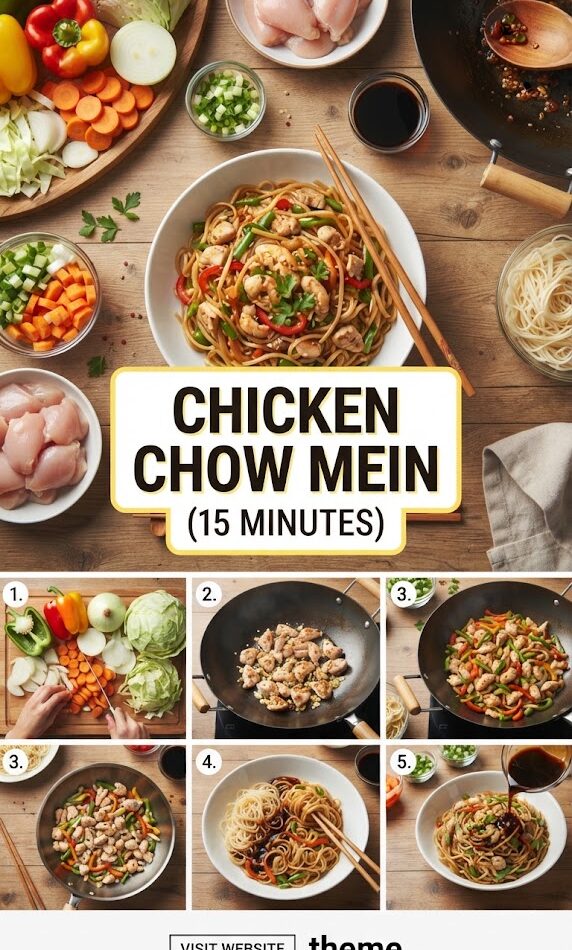
The aroma of sizzling garlic, the sound of noodles hitting a scorching hot wok, and the vibrant colors of crisp vegetables—there is something undeniably intoxicating about a perfect plate of Chicken Chow Mein. For many, it is the quintessential comfort food, the go-to order on a rainy Friday night. But what if you could recreate that restaurant-quality magic in your own kitchen in less time than it takes for the delivery driver to find your house?
Welcome to the definitive guide to the 15-Minute Chicken Chow Mein. This isn’t just a recipe; it’s a masterclass in high-heat cooking, flavor balancing, and efficiency. Whether you are a busy parent, a student on a budget, or a culinary enthusiast looking to perfect your stir-fry technique, this guide will provide everything you need to master this classic dish.
The Soul of the Dish: What is Authentic Chow Mein?
Before we dive into the “how-to,” it is essential to understand the “what.” The term “Chow Mein” literally translates from Mandarin (chǎo miàn) to “stir-fried noodles.” While the dish has evolved significantly as it traveled from the kitchens of Guangdong to the bustling Chinatowns of San Francisco and New York, its core remains the same: a harmonious blend of chewy noodles, savory sauce, protein, and crunch.
In the United States, we generally see two styles of Chow Mein:
- Crispy Chow Mein: Where the noodles are fried into a flat, pancake-like cake and topped with a saucy stir-fry.
- Steamed (Soft) Chow Mein: Where the noodles are tossed and stir-fried with the ingredients, absorbing the sauce while maintaining a slight bite.
Our 15-minute version focuses on the soft, stir-fried style—the ultimate weeknight hero that delivers maximum flavor with minimal cleanup.
Why This 15-Minute Recipe Works
You might be skeptical. Can a truly great Chicken Chow Mein really be made in 15 minutes? The answer is a resounding yes, and it comes down to three pillars of stir-fry success:
- Mise en Place: This is a French culinary term meaning “everything in its place.” In stir-frying, the cooking happens so fast that you cannot afford to be chopping carrots while the garlic is burning.
- High Heat: The goal is to achieve “Wok Hei” or the “breath of the wok.” This is the smoky, charred flavor that defines professional stir-fry.
- The Sauce Ratio: A perfect balance of umami, sweetness, and saltiness that coats the noodles without making them soggy.
The Essential Ingredients Breakdown
To hit that 15-minute mark, you need the right components. Here is a deep dive into what you’ll need and why.
1. The Noodles
The noodles are the canvas of your dish. For the best results, look for “Chow Mein Noodles” or “Hong Kong Style Egg Noodles” in the refrigerated section of your grocery store.
- Fresh Egg Noodles: These are ideal because they require little to no boiling—just a quick rinse or a 1-minute blanch.
- Dried Egg Noodles: If you use dried, look for thin varieties. Boil them for 1-2 minutes less than the package instructions to ensure they stay al dente during the stir-fry process.
- The “Hack”: In a pinch, you can even use instant ramen noodles (toss the seasoning packet) or spaghetti, though the texture won’t be as authentic.
2. The Protein: Chicken
- The Cut: Use boneless, skinless chicken thighs for the juiciest results. They are more forgiving under high heat than chicken breasts, which can dry out quickly.
- The “Velveting” Secret: To get that silky, tender texture found in restaurants, we use a simplified velveting technique. Tossing the sliced chicken in a teaspoon of cornstarch and a splash of soy sauce before cooking creates a protective barrier that locks in moisture.
3. The Vegetables (The Crunch Factor)
The beauty of Chow Mein is its versatility. Our 15-minute version uses high-speed veggies:
- Cabbage: Shredded green cabbage or Napa cabbage provides volume and a mild sweetness.
- Bean Sprouts: These are non-negotiable for authentic texture. They provide a watery crunch that lightens the dish.
- Carrots: Julienne them thinly so they cook in seconds.
- Green Onions: Used both for flavor in the stir-fry and as a fresh garnish.
- Celery: Often overlooked, but it adds a traditional aromatic quality found in classic American-Chinese takeout.
4. The “Gold Standard” Chow Mein Sauce
The sauce is where the magic happens. Forget the pre-made jars; you likely have these five ingredients in your pantry:
- Soy Sauce: Use a mix of “Light Soy” for salt and “Dark Soy” for that deep mahogany color.
- Oyster Sauce: The secret weapon for umami and thickness. (Use a vegetarian mushroom sauce for a veggie-friendly version).
- Sesame Oil: For that toasted, nutty aroma.
- Sugar: Just a pinch to balance the salt.
- White Pepper: Traditional Chinese cooking uses white pepper for a subtle, earthy heat that doesn’t overwhelm the palate.
The 15-Minute Workflow: Step-by-Step
Timing is everything. Follow this sequence to ensure you cross the finish line in a quarter of an hour.
Minute 0-5: The Preparation (Mise en Place)
- The Noodles: If using dried noodles, get a pot of water boiling immediately. If using fresh, set them aside.
- The Chicken: Thinly slice 1 lb of chicken thighs into bite-sized strips. In a small bowl, toss them with 1 tsp cornstarch, 1 tsp soy sauce, and a dash of oil.
- The Sauce: In a jar or bowl, whisk together: 2 tbsp oyster sauce, 1 tbsp light soy sauce, 1 tsp dark soy sauce, 1 tsp sesame oil, 1 tsp sugar, and ½ tsp white pepper.
- The Veggies: Thinly slice 2 cups of cabbage, 1 carrot (julienned), and 2 stalks of celery. Chop 3 cloves of garlic and 1 inch of ginger.
Minute 6-8: The Sizzle
- Heat 2 tablespoons of high-smoke-point oil (like canola, peanut, or vegetable oil) in a wok or large heavy-bottomed skillet over high heat.
- Once the oil is shimmering and slightly smoking, add the chicken. Spread it out in a single layer and let it sear for 60 seconds without moving it to get a nice golden crust.
- Stir-fry for another minute until the chicken is 90% cooked through. Remove the chicken from the pan and set it aside (this prevents it from overcooking and becoming rubbery).
Minute 9-12: The Veggie Flash
- Add another tablespoon of oil if the pan looks dry. Toss in the garlic and ginger for 10 seconds until fragrant.
- Add the cabbage, carrots, and celery. Stir-fry vigorously. You want the vegetables to soften slightly but maintain their vibrant color and “snap.”
- If you are using dried noodles that were boiling, drain them now and give them a quick rinse with cold water to stop the cooking.
Minute 13-15: The Grand Finale
- Add the noodles and the cooked chicken back into the wok with the vegetables.
- Pour the sauce over the top.
- Using tongs or a spatula, toss everything together over high heat. The goal is to coat every strand of noodle in the sauce.
- Add a handful of bean sprouts and the chopped green onions in the last 30 seconds. The residual heat will perfectly wilt the sprouts while keeping them crunchy.
- Remove from heat, garnish with sesame seeds if desired, and serve immediately.
Mastering the Technique: Pro Tips for the Perfect Stir-Fry
While the recipe is simple, the technique is what separates a good Chow Mein from a legendary one.
Don’t Overcrowd the Pan
If you have a small stove or a small pan, consider cooking in batches. If you put too many ingredients in at once, the temperature of the pan will drop, and your ingredients will steam in their own juices rather than sear. This results in “soggy noodle syndrome.”
Use the Right Oil
Never use extra virgin olive oil or butter for stir-frying. They have low smoke points and will burn, creating a bitter flavor. Stick to peanut oil, grapeseed oil, or canola oil.
The Power of White Pepper
If you’ve ever wondered why your home-cooked Chinese food doesn’t taste like the restaurant’s, it’s likely the white pepper. Unlike black pepper, which is sharp and floral, white pepper has a fermented, earthy funk that is foundational to Cantonese cuisine.
Dry Your Noodles
If you boiled your noodles, make sure they are well-drained and relatively dry before they hit the wok. Excess water will dilute the sauce and prevent the noodles from picking up that beautiful seared texture.
Variations to Keep It Fresh
Once you master the base 15-minute recipe, you can customize it to fit any craving or dietary need.
The Vegetarian/Vegan Version
Swap the chicken for extra-firm tofu (pressed and cubed) or a variety of mushrooms (shiitake and oyster mushrooms work best). Ensure you use a vegetarian “Stir-Fry Sauce” or mushroom-based sauce instead of traditional oyster sauce.
The “Spicy Dragon” Chow Mein
Add 1 tablespoon of chili garlic sauce (like Huy Fong) or Szechuan peppercorns to the aromatics (garlic/ginger) for a heat that builds with every bite.
Seafood Chow Mein
Replace the chicken with shrimp or scallops. Seafood cooks even faster than chicken—usually in about 2-3 minutes—making it a perfect protein for the 15-minute timeframe.
Gluten-Free Alternative
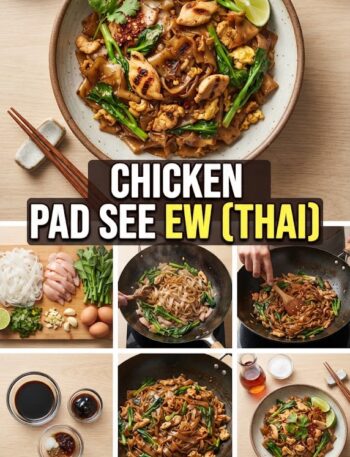
Use Tamari instead of soy sauce and ensure your oyster sauce is labeled gluten-free. For the noodles, use rice stick noodles (though this technically makes it more like a Pad See Ew style, it still tastes incredible with the Chow Mein sauce profile).
The Nutritional Breakdown: Is Chicken Chow Mein Healthy?
When you make it at home, Chicken Chow Mein is significantly healthier than the restaurant version.
- Sodium Control: By making your own sauce, you can use low-sodium soy sauce and control the amount of salt added.
- Oil Quality: You control the type and amount of oil used. Most restaurants use an abundance of oil to prevent sticking; at home, a well-seasoned wok requires much less.
- Vegetable-to-Noodle Ratio: You can load your dish with fiber-rich cabbage, bean sprouts, and carrots, making the dish more satiating and nutrient-dense.
- Lean Protein: Chicken thighs and breasts are excellent sources of lean protein, essential for muscle repair and metabolic health.
On average, a home-cooked serving of this 15-minute Chicken Chow Mein contains approximately 450-550 calories, with a balanced macro profile of complex carbohydrates, healthy fats, and high protein.
Common Mistakes and How to Avoid Them
1. Mushy Noodles
This usually happens from over-boiling. Remember, the noodles will continue to cook when they hit the hot wok and sauce. Always aim for al dente—slightly undercooked—before the stir-fry stage.
2. Bland Flavor
If your Chow Mein tastes “flat,” it’s usually missing acidity or salt. A tiny splash of Chinkiang vinegar (black vinegar) or a squeeze of lime at the very end can brighten the entire dish.
3. The Sauce Doesn’t Stick
If your sauce is pooling at the bottom of the bowl, you may have used too much water or not enough cornstarch. The cornstarch on the chicken actually helps thicken the sauce as everything tosses together. If needed, you can add a small cornstarch slurry (1 tsp cornstarch + 1 tbsp water) to the pan in the final minute.
Essential Equipment: Wok vs. Skillet
Do you need a wok to make this recipe? No. Can you make a great Chow Mein in a cast-iron skillet or a large non-stick pan? Yes.
However, a carbon steel wok is the preferred tool for a few reasons:
- Shape: The deep, sloping sides allow you to toss food vigorously without it flying across the kitchen.
- Heat Distribution: Carbon steel heats up and cools down rapidly, giving you immense control over the cooking process.
- The “Well”: The small bottom area concentrates heat, perfect for searing the chicken, while the sides allow you to push cooked food away from the intense heat while you fry the next ingredient.
If using a skillet, choose the widest one you have to maximize the surface area for searing.
Pairing Suggestions: Make It a Feast
If you have an extra 5 minutes and want to turn this into a full Chinese dinner spread, consider these quick pairings:
- Garlic Smashed Cucumbers: A cold, refreshing contrast to the hot, savory noodles.
- Egg Drop Soup: A 5-minute soup that uses basic pantry staples like chicken broth, eggs, and cornstarch.
- Blanched Bok Choy: Serve some greens on the side with a drizzle of sesame oil for a complete nutritional profile.
Storing and Reheating
Chicken Chow Mein is one of those rare dishes that might actually taste better the next day as the flavors have more time to meld.
- Storage: Keep leftovers in an airtight container in the refrigerator for up to 3-4 days.
- Reheating: To maintain the texture, avoid the microwave if possible. Instead, toss the noodles back into a hot pan with a tablespoon of water or broth to loosen them up. Stir-fry for 2 minutes until heated through.
- Freezing: While you can freeze Chow Mein, the texture of the vegetables (especially bean sprouts) will become soft and mushy upon thawing. It is best enjoyed fresh or from the fridge.
Frequently Asked Questions (FAQ)
Is Chow Mein the same as Lo Mein?
Not exactly. While both use egg noodles, the difference lies in the cooking method. “Chow” means fried, so the noodles are tossed in a wok to get some color and texture. “Lo” means tossed or dumped, where the noodles are usually boiled and then tossed with sauce and ingredients without as much high-heat frying.
Can I use frozen vegetables?
In a pinch, yes. However, frozen vegetables release more moisture, which can make the dish steam rather than fry. If using frozen, thaw them completely and pat them dry with a paper towel before adding them to the wok.
What can I use instead of Oyster Sauce?
If you have an allergy or are vegan, use a vegetarian stir-fry sauce or a thick mushroom-flavored soy sauce. You can also mix hoisin sauce with a little extra soy sauce, though it will be sweeter than the original.
Why does my chicken stick to the pan?
Your pan likely wasn’t hot enough when you added the oil and protein. Make sure the pan is “searing hot.” Also, avoid moving the chicken the second it hits the pan; let it sit for a minute to develop a crust, which naturally releases it from the surface.
Can I make this for meal prep?
Absolutely! This is an excellent meal prep dish. It holds up well in containers and provides a balanced meal of carbs, protein, and fat. Just be sure not to overcook the vegetables during the initial prep so they don’t turn to mush when you reheat them during the week.
The Cultural Significance of the Stir-Fry
Beyond the convenience and flavor, the art of the stir-fry is a testament to culinary ingenuity. It was developed in ancient China as a way to conserve fuel; by cutting ingredients into small, uniform pieces and cooking them over intense heat for a short duration, less wood or coal was needed.
Today, this 15-minute Chicken Chow Mein carries on that tradition of efficiency. It respects the ingredients by cooking them just long enough to highlight their natural flavors while creating a complex sauce that ties them all together.
Conclusion: Your New Weeknight Favorite
There is no need to settle for mediocre, greasy takeout when you have the power of the 15-minute stir-fry in your repertoire. This Chicken Chow Mein recipe is a balance of textures and flavors—salty, sweet, crunchy, and chewy—that hits every sensory note.
The key to success is preparation. Once you have your sauce whisked and your veggies chopped, the actual cooking is a whirlwind of culinary excitement. It is a dish that rewards confidence and high heat. So, turn up the burner, grab your tongs, and prepare to enjoy a bowl of noodles that will redefine your weeknight dinner routine.
Stop waiting for the delivery guy. Your 15-minute timer starts… now.